Our Story
IconicSX was established with a clear objective: to approach Sphynx breeding through genetics, health screening, and long-term responsibility for the breed.
While many breeding programmes focus primarily on appearance or show success, the foundation of IconicSX is different. The focus is on documented health testing, genetic transparency, and careful selection of breeding cats.
The goal is not simply to produce kittens, but to contribute to a breeding programme where decisions are informed by evidence, veterinary knowledge, and an understanding of population genetics.
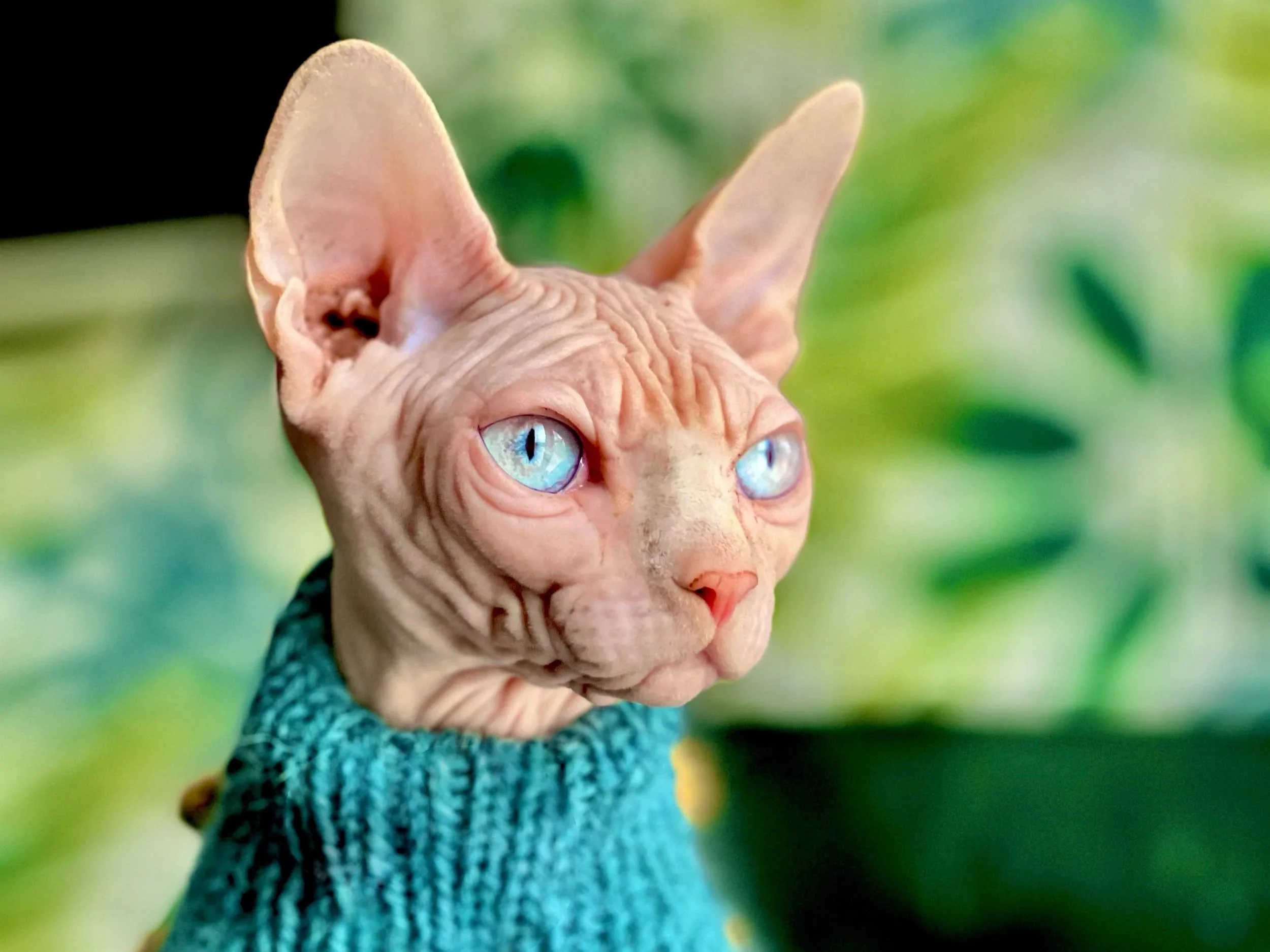
For as long as I can remember, I have been fascinated by Sphynx cats. Even as a child, I was drawn to their unusual appearance, expressive personalities and, in particular, the striking beauty of odd-eyed cats.
For many years, I hesitated to begin breeding. Certain practices commonly seen within the breeding world did not align with my personal values, particularly when it came to transparency, health testing and responsible long-term planning.
After losing a beloved pet to an inherited disease, I approached my search for a Sphynx kitten very differently. I wanted to see original health screening and genetic testing results, understand what they meant, and make an informed decision. Instead, I often found that important information was unavailable, incomplete, or simply not shared.
That experience led me to study feline genetics, inherited diseases and responsible breeding in far greater depth. The more I learned, the more convinced I became that transparency should never be optional. That belief eventually became one of the foundations of IconicSX.
Education — A Lifelong Commitment.
Responsible breeding requires continuous learning.
For this reason, I regularly participate in courses and training programmes related to feline genetics, breeding, and health. Educational resources such as PawPeds and Campus Felinarium form part of this ongoing development.
Alongside formal learning, I also write about feline genetics and responsible breeding as a personal interest. On the IconicSX blog I share explanations of genetic concepts, health testing, and the reasoning behind breeding decisions.
I’ve created SphynxCats.co.uk after recognising how difficult it can be to find one clear, reliable and evidence-based source of information about the Sphynx breed in the UK. The website brings together information on Sphynx health, genetics, care and responsible breeding, with an emphasis on scientific evidence rather than repeated assumptions or outdated advice.
I am also the author of DBECats.com, an editorially independent educational resource dedicated to the genetics of the Dominant Blue Eye trait in cats.
DBE is an area where inaccurate or oversimplified information is still widely repeated, so the aim of the project is to make the published science easier to understand. The website is based on scientific literature and explains the evidence in accessible language for breeders and others who want to understand the genetics properly.
I also write educational articles on feline genetics for breeder publications, including the Maystar Mews Newsletter.
For me, education is part of responsible breeding. It means continuing to question, read, compare evidence and change decisions when better information becomes available.
Our Passion for Genetics and Rare Traits
Genetics plays a central role in responsible breeding.
At ICONICSX, particular attention is given to coat colour genetics and rare traits, including the Dominant Blue Eye (DBE) gene.
ICONICSX has supported research into the DBE Celestial variant by contributing samples and collaborating with Professor Marie Abitbol to improve understanding of its genetic background.
Ongoing collaboration with veterinary geneticists and accredited laboratories helps ensure that breeding decisions remain aligned with the latest scientific evidence. These collaborations not only support the long-term health of the breeding programme but also contribute to the wider understanding of feline genetics.
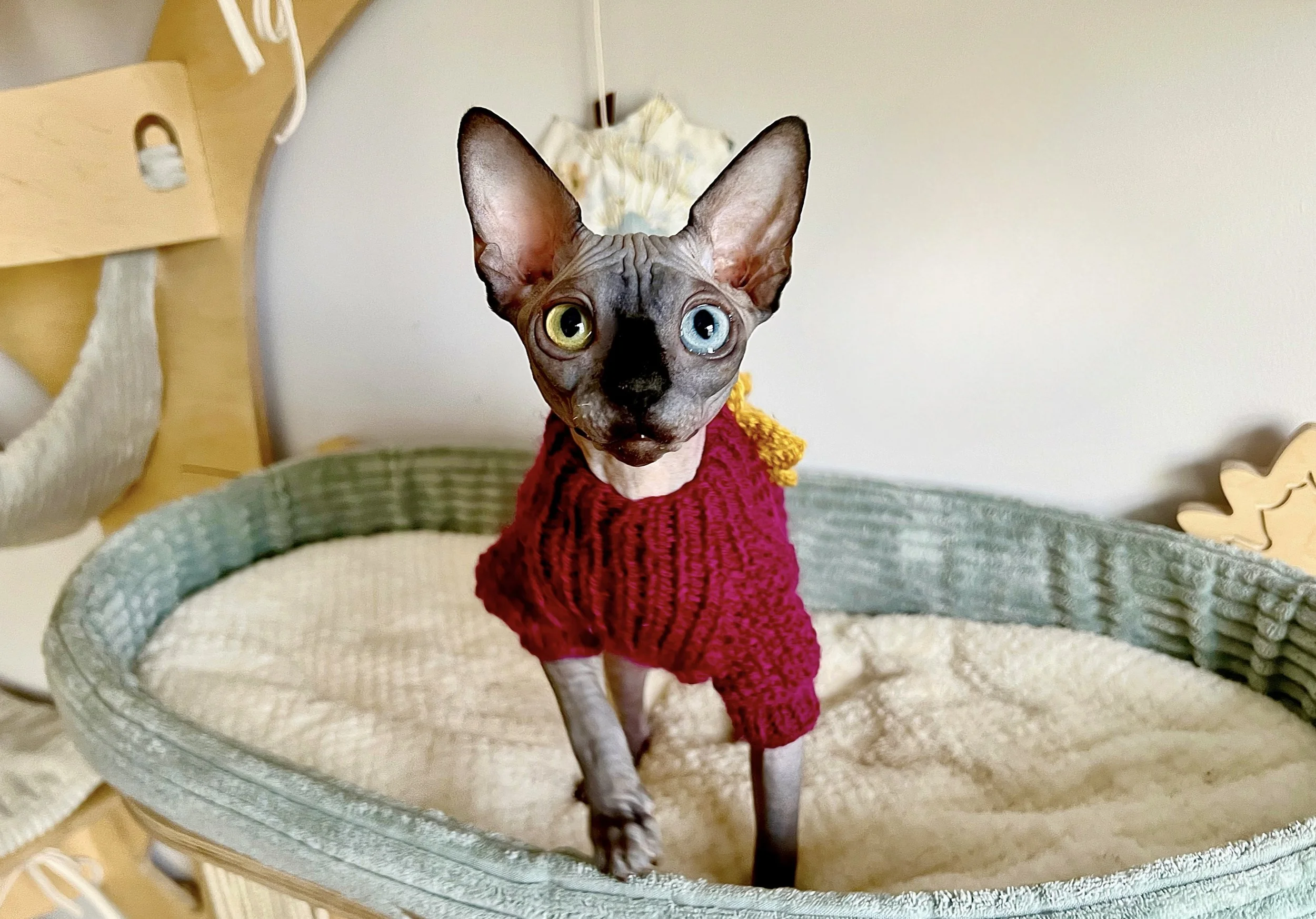
Breeding Rarely, Breeding Responsibly.
The IconicSX programme follows a quality-over-quantity philosophy.
Litters are planned carefully and are intentionally infrequent, allowing time for comprehensive health evaluation, genetic screening, thoughtful pairing decisions and proper recovery between litters.
At ICONICSX, our cats are first and foremost beloved family members. They live as part of our household, enjoy free access to the home, and are never kept in outdoor buildings or isolated from family life. Their physical and emotional wellbeing always comes before breeding.
Our queens are given the time they need to recover fully after raising a litter before any future breeding is considered, allowing them to enjoy life as cherished pets as well as breeding cats.
Every kitten is raised as part of everyday family life, with close attention to health, temperament and early socialisation. The goal is not simply to raise healthy kittens, but confident, well-adjusted companions that are prepared for life in their new homes.
For that reason, adoptions are selective and based on mutual trust, open communication and a long-term relationship with each family.
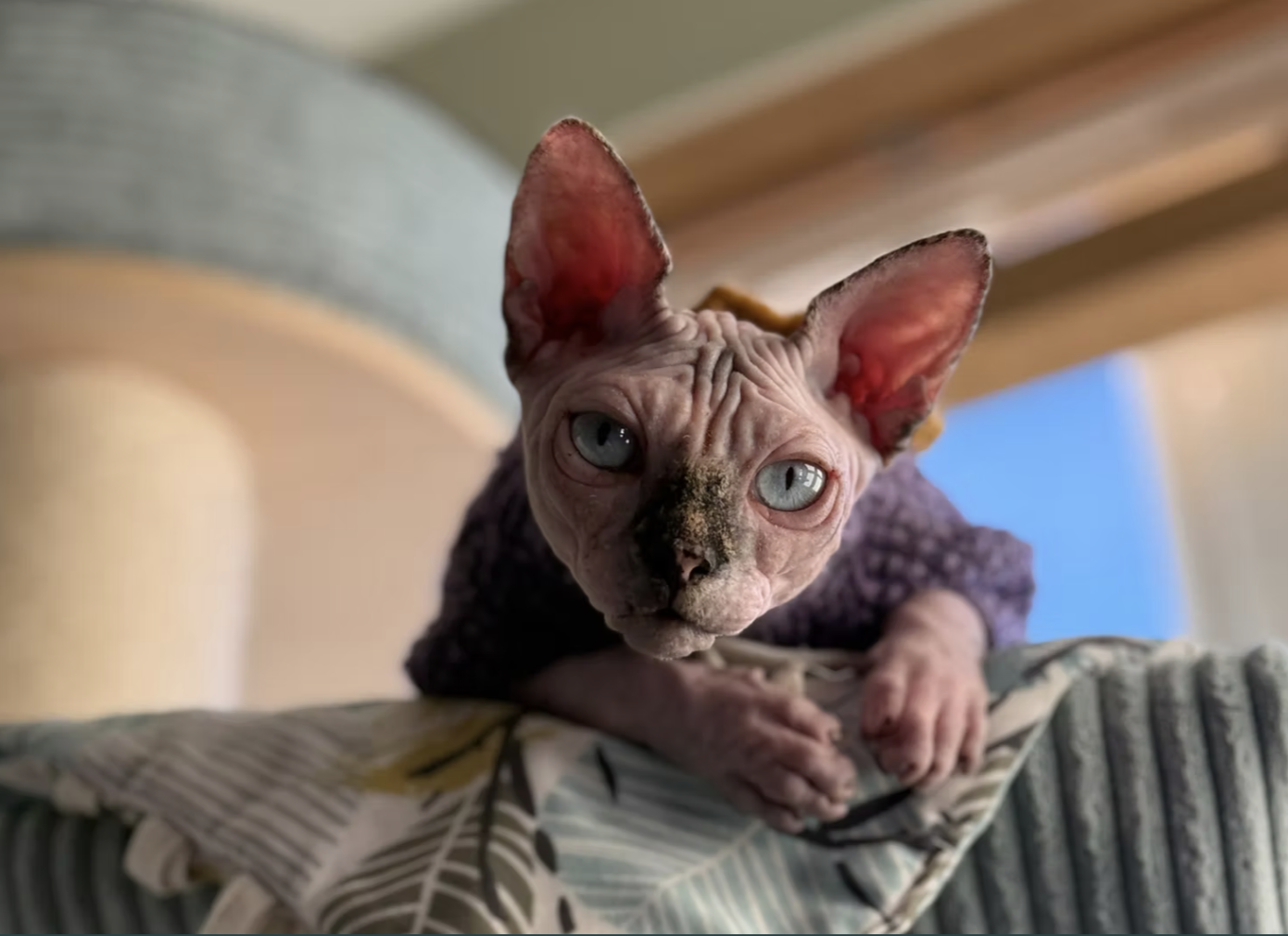
The Breeder.
Maria Niewiadomska is a Polish-born breeder based in Aberdeenshire, Scotland, and founder of IconicSX Sphynx cattery, a TICA Outstanding Cattery and GCCF Approved Breeder. Her work focuses on the documentation and analysis of breeding data within the DBE-Celestial Sphynx line, alongside feline genetics education and breeding ethics.
She has contributed data and reference samples to peer-reviewed research on dominant blue eye (DBE) genetics in cats led by Professor Marie Abitbol, and to Sarah Hartwell’s MessyBeast archive documenting the development of the DBE-Celestial line. In February 2026 she provided verified DBE-Celestial reference samples to Certagen GmbH to support the development of a DBE-CEL genetic test
Maria holds an academic background in Political Science, Psychology, and Management and Law.
Feline Education.


Paw Peds Academy
G1
Completed
Paw Peds Academy
G2
Completed
Paw Peds Academy
G3
2027


Campus Felinarium,
The Pleiades
Completed
Campus Felinarium,
Ursa Minor
Completed
Campus Felinarium,
Ursa Major
Completed
Erudiogroup, Zoopsychology
Completed
Erudiogroup, A wise Cat Breeder
Completed