DBE History and Research:
The PAX3 Variants Behind Dominant Blue Eyes in Cats
Genetic background, inheritance patterns and verified research on DBE expression.
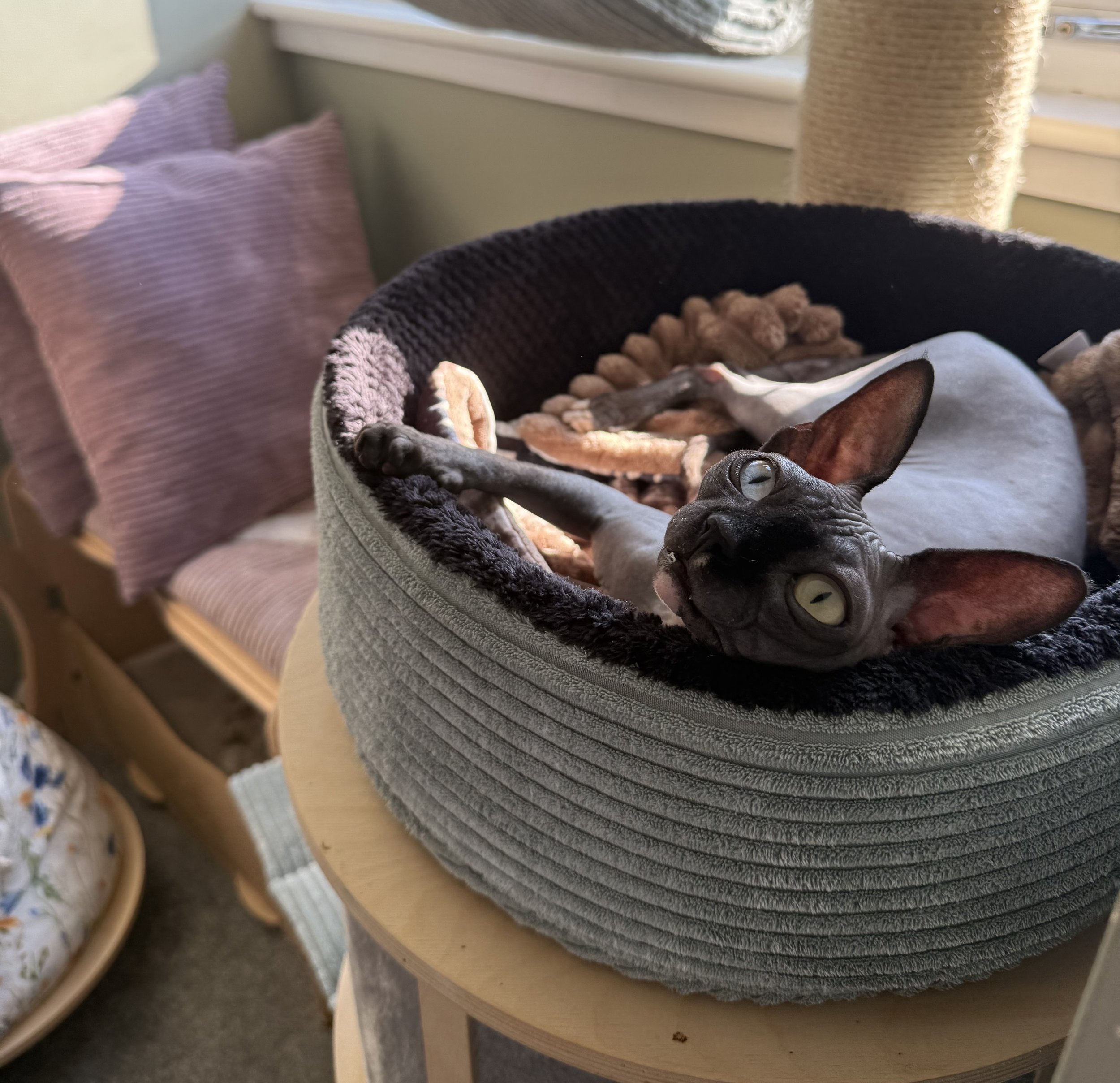
Understanding DBE
The term "Dominant Blue Eyes" (DBE) refers to a group of genetically distinct variants rather than a single mutation. For this reason, it is essential to specify which particular variant is being discussed or worked with.¹ ² ³ ⁴
DBE variants are associated with blue or unusually pigmented eyes and are inherited in an autosomal dominant manner. Their expression can vary between individuals. Incomplete penetrance and non-expressing carriers have been documented for several characterised DBE variants, including DBE-CEL, DBE-ALT and DBE-RE, while phenotypic data for the more recently identified DBE-AGO variant remain limited.¹ ² ⁴
When a cat heterozygous for a DBE variant is bred to a genetically confirmed non-carrier, each kitten has an approximately 50% chance of inheriting that variant. For DBE variants in which incomplete penetrance has been documented, some genetically positive offspring may not develop blue or odd eyes despite carrying and being able to transmit the variant.¹ ²
Different DBE variants should not be combined within the same breeding programme without genetic testing. Pairing a carrier of one DBE variant with a carrier of a different variant can produce compound-heterozygous offspring carrying both variants. Deafness has been documented in DBE-CEL/DBE-ALT compound heterozygotes, demonstrating that combinations of different PAX3 variants may produce outcomes not seen in cats carrying either variant alone in heterozygous form.² ⁴
Multiple variants, multiple origins
Several independent PAX3-associated DBE variants have been identified in cats. To date, four have been genetically characterised — DBE-CEL, DBE-ALT, DBE-RE and DBE-AGO — and additional DBE lineages remain genetically unresolved.¹ ² ³ ⁴
The DBE phenotype is characterised by one or two blue eyes, including complete or sectoral heterochromia, and may be accompanied by minimal white spotting. The amount of white can vary considerably between individuals and, in some genetically positive cats, may be very subtle or not readily visible. White spotting is therefore a feature associated with DBE, not a phenotype that excludes it.² ⁴
Historical background: Ojos Azules
The first widely documented DBE lineage was the Ojos Azules, developed in New Mexico (USA) in the 1980s from a dominant blue-eye trait found in random-bred cats. The breed was accepted for registration by TICA in 1991.²
Controlled breeding studies led by Solveig Pflueger, MD, identified white kittens with cranial deformities born to two blue-eyed parents. These kittens were suspected to be homozygous for the allele responsible for the Ojos Azules phenotype, raising concern that homozygosity could have severe or lethal developmental consequences.
Because the causative Ojos Azules variant was never molecularly identified, this proposed homozygous effect could not be genetically confirmed. Together with the incomplete penetrance of the blue-eye phenotype, these concerns contributed to the decline of the breed.²
Modern DBE lines
Current DBE breeding lines — including Celestial (DBE-CEL), Altai (DBE-ALT) and the Rociri Elvis / RE-type Maine Coon line (DBE-RE) — are based on distinct, genetically confirmed PAX3 variants. These differ in genomic location, molecular mechanism, penetrance and currently reported health outcomes, and should always be evaluated individually.¹ ² ³ ⁴
Phenotypic spectrum
DBE cats may present with a range of eye phenotypes, including:
Two blue eyes — both irises appear blue.
Odd eyes (heterochromia iridum) — one iris appears blue, the other normally coloured.
Sectoral heterochromia — part of a single iris appears blue while the remainder is normally coloured.
Latent (non-expressing) carriers — genetically positive cats with yellow, amber, green or otherwise normally coloured eyes, which still carry the variant and can transmit it to their offspring. Non-expressing carriers have been reported for DBE-CEL, DBE-ALT and DBE-RE.¹ ² ⁴
Expression is variable, and additional genetic or developmental factors are likely to influence the final phenotype. These have not yet been identified experimentally.¹ ² ⁴
References
Abitbol M, Couronné A, Dufaure de Citres C, Gache V. A PAX3 insertion in the Celestial breed and certain feline breeding lines with dominant blue eyes. Animal Genetics. 2024;55(4):670–675. doi:10.1111/age.13433
Abitbol M, Dufaure de Citres C, Rudd Garces G, Lühken G, Lyons LA, Gache V. Different Founding Effects Underlie Dominant Blue Eyes (DBE) in the Domestic Cat. Animals. 2024;14(13):1845. doi:10.3390/ani14131845
Rudd Garces G, Farke D, Schmidt MJ, Letko A, Schirl K, Abitbol M, Leeb T, Lyons LA, Lühken G. PAX3 haploinsufficiency in Maine Coon cats with dominant blue eyes and hearing loss resembling the human Waardenburg syndrome. G3 Genes|Genomes|Genetics. 2024;14(9):jkae131. doi:10.1093/g3journal/jkae131
Abitbol M, Cloquell A, Kaczmarska A, Holmes K, Lühken G, Macaulay K. Dominant blue eyes in Maine Coon cats: New PAX3 variant and updated phenotypic data. Animal Genetics. 2025;56(3):e70020. doi:10.1111/age.70020
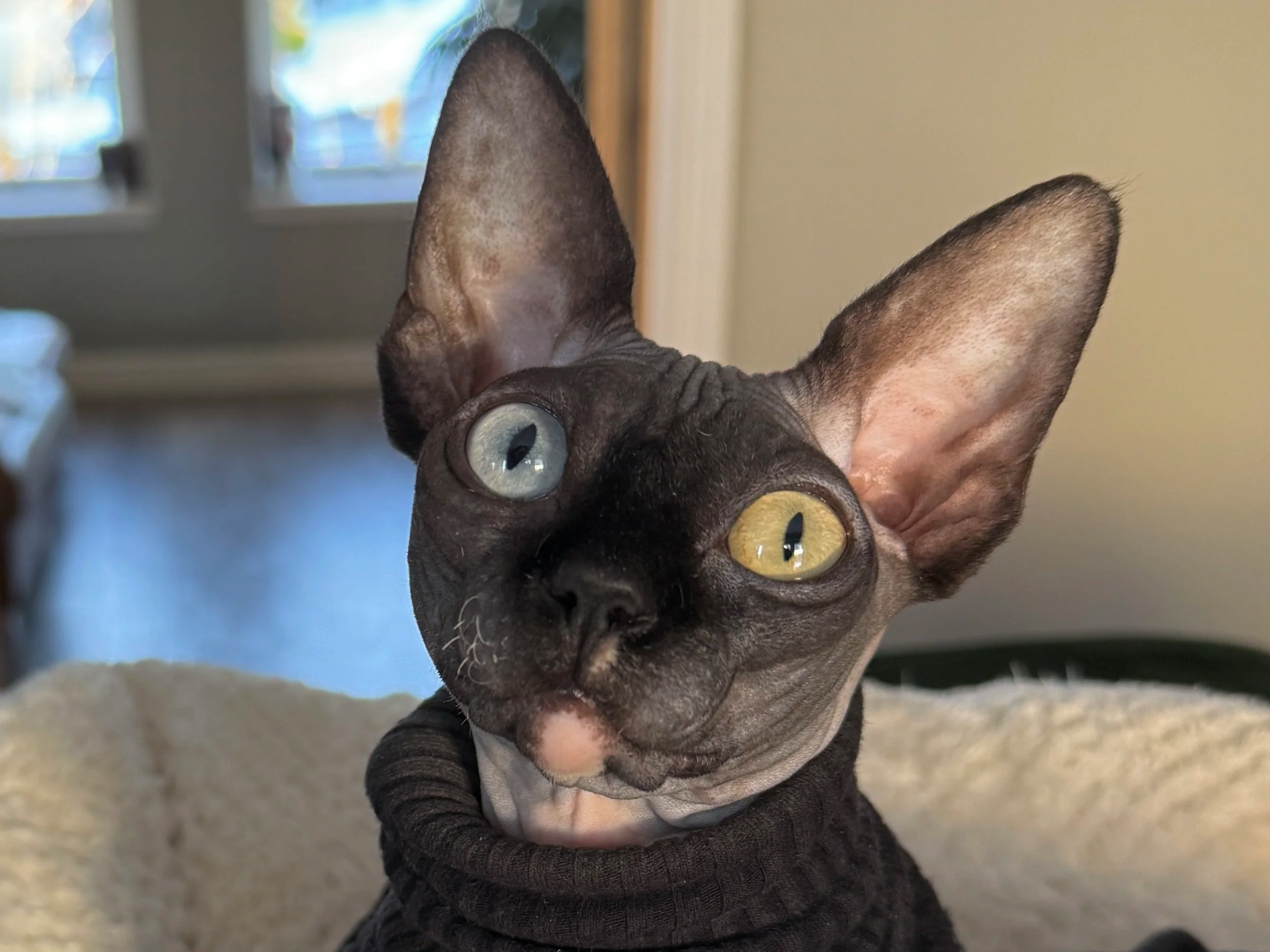
In DBE lines, cats carrying and expressing the variant often show some degree of white spotting. This may range from clearly visible markings to very small or easily overlooked areas on the chin, toes, tail tip or other parts of the body. In some genetically positive cats, white spotting may be minimal or not readily detectable.
The amount and location of white can vary considerably between individuals and should not be used on its own to confirm or exclude DBE status. Variant-specific genetic testing remains the most reliable way to establish whether a cat carries a characterised DBE allele.
DBE in a Wider Biological Context
The currently characterised DBE variants all lie within a single gene, PAX3, on feline chromosome C1.¹ ² ³ ⁴ Other, as-yet-unresolved DBE lineages may have a different molecular basis, but this has not been established.
DBE does not exist in isolation. PAX3 encodes a transcription factor that plays an important role in neural-crest development, including the formation, migration and differentiation of melanocytes. Because melanocytes also contribute to normal inner-ear function, disruption of this developmental pathway can affect pigmentation and, in some genotypes, hearing. Variants affecting this pathway produce comparable pigmentary — and sometimes auditory — phenotypes across many species, including mice, dogs, horses and humans.³ In mice, variants in the PAX3 homologue produce the classic Splotch phenotype, and in humans, PAX3 variants cause Waardenburg syndrome types 1 and 3.³
The same biology, different labels
Waardenburg syndrome is named after the Dutch ophthalmologist and geneticist Petrus Johannes Waardenburg, who first described it in 1951. In humans, PAX3-associated Waardenburg syndrome is defined by features that can include pigmentary changes of the iris, skin and hair, and congenital sensorineural hearing loss.³
This illustrates an important point of perspective. Many of the same genes that produce recognised coat colours or eye colours in domestic animals are described, in humans, as "syndromes" or "genetic disorders." The underlying biology is shared; the framing differs. For example:
ASIP — in mice, variants produce the yellow, obese agouti phenotype; in cats, ASIP governs normal tabby (agouti) banding of the coat.
TYR — in humans, TYR variants cause oculocutaneous albinism with increased skin-cancer risk; in cats, the same gene produces the colourpoint and albino series.
KIT —different variants in this gene can produce very different biological effects. In humans, certain germline KIT variants cause piebaldism, while distinct activating KIT mutations are involved in some cancers, including gastrointestinal stromal tumours. In cats, KIT variants are responsible for dominant white and white spotting.
Viewed in this wider biological context, feline DBE is one example of how variation in a conserved developmental gene can influence pigmentation across mammals. The underlying biological pathways may be shared between species, while the resulting phenotype and health consequences depend on the specific gene, variant and genotype involved.
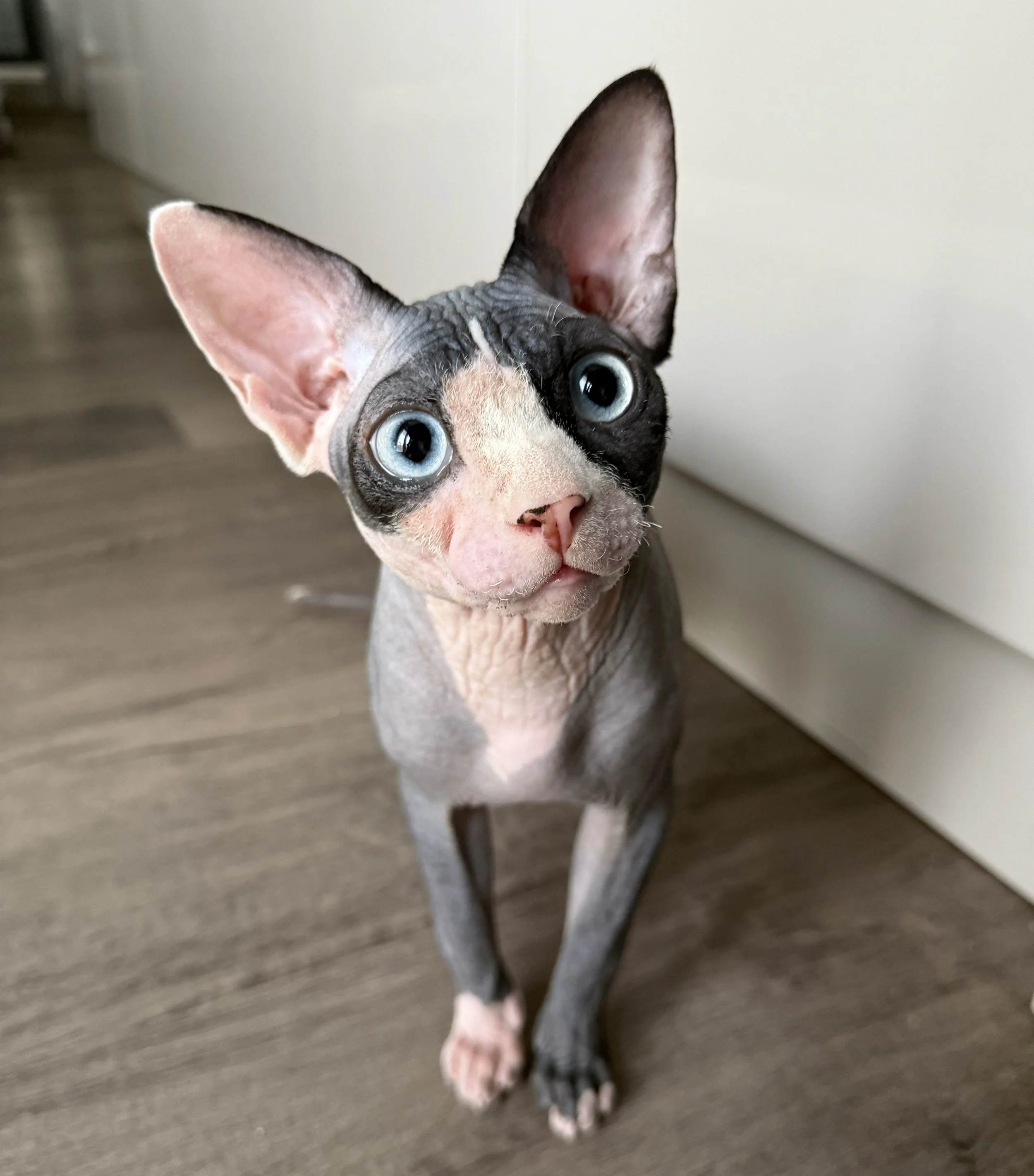
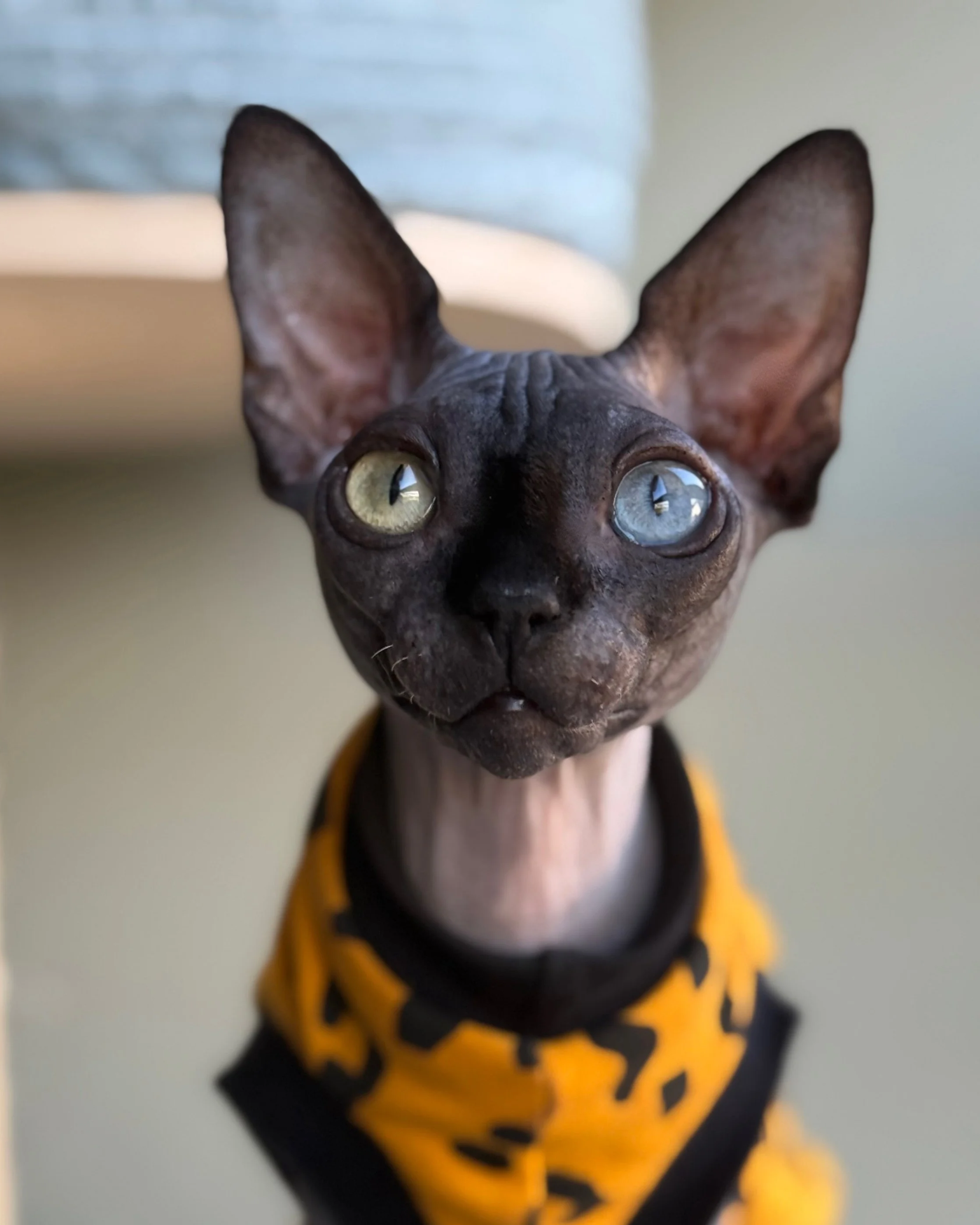
IconicSX Bruce Wayne - Dominant Blue Eyes
IconicSX Selina Kyle - DBE Odd Eyed
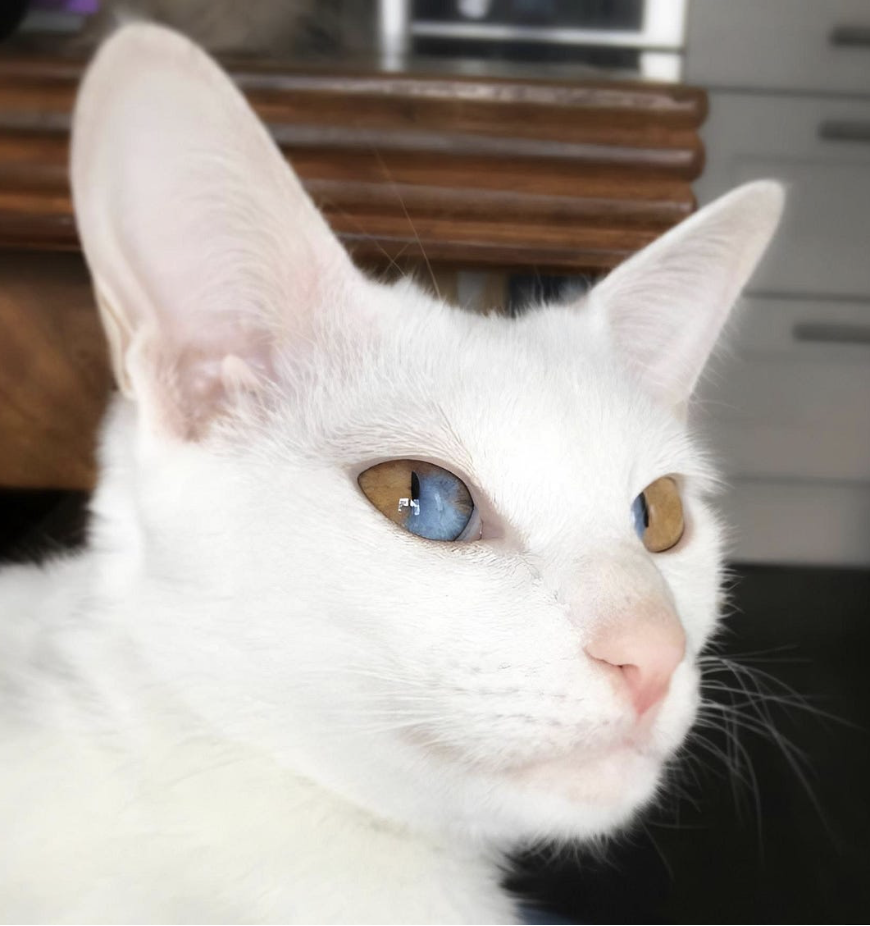
Example of Mosaic Eyes
DBE and Waardenburg Syndrome: What the Research Shows
Waardenburg syndrome (WS) is a group of human genetic conditions affecting pigmentation and, in some types, hearing. It arises from disrupted development of neural-crest-derived cells, including melanocytes. Because PAX3 is one of the genes involved in WS, feline PAX3-associated DBE shares some biological features with it — but the two are not equivalent.³ ⁴ ²
Shared features
Feline DBE and human WS overlap in several respects, all traceable to melanocyte development:
Iris hypopigmentation — blue or odd eyes.³ ⁴
Minimal white spotting or coat depigmentation.³ ⁴
Sensorineural hearing loss in specific genotypes. This is documented in heterozygous DBE-RE cats, and deafness has also been reported in DBE-CEL/DBE-ALT compound heterozygotes and homozygous DBE-ALT cats. It is not a feature of every DBE variant.² ³ ⁴
Important differences
The parallel with WS has clear limits, and the research is explicit about this.
Human WS type 1 includes dystopia canthorum (a widened distance between the inner eye corners). This feature was not observed in the Maine Coon DBE cats studied. Some Maine Coon DBE cats have been reported with dystopia canthorum, but the authors could not attribute it to DBE itself rather than to facial conformation selected for in certain Maine Coon lines.³ ²
WS-type-3-like features — limb abnormalities, contractures and abnormal head morphology — have been reported in cats, but only in stillborn homozygous DBE-CEL and compound-heterozygous DBE-CEL/DBE-RE kittens, not in living heterozygous cats. In humans, comparable features occur in WS type 3 and in homozygous or compound-heterozygous PAX3 cases.²
WS types 2 and 4 are not PAX3-related in humans (they involve MITF, SOX10, EDNRB and EDN3), so they fall outside the DBE (PAX3) mechanism entirely.²
For these reasons, the authors of the current research conclude that feline PAX3-associated DBE cannot be reduced to a "feline Waardenburg syndrome."²
DBE is not the only route to a WS-like appearance in cats
A white cat with blue eyes and deafness does not necessarily carry a DBE variant. The same combination is well documented in cats with KIT-associated dominant white, where the deafness arises through a different mechanism — loss of melanocytes in the inner ear driven by KIT, not PAX3.⁵ ⁶
This is one reason appearance alone cannot identify the cause: a WS-like phenotype (blue eyes, white, deafness) may reflect a PAX3-associated DBE variant, a KIT allele, both together, or more than one DBE variant (for example DBE-RE with DBE-CEL or DBE-ALT) in the same cat. Only genetic testing can distinguish these.² ⁴
The effects associated with PAX3-related DBE vary according to the specific variant and genotype. In heterozygous cats, the phenotype is predominantly pigmentary, with hearing loss documented for certain variants; rare homozygous or compound-heterozygous genotypes have also been associated with developmental abnormalities. Research into the genetic mechanisms behind DBE, pigmentation, hearing and genotype-specific health outcomes is ongoing.
Reference:
Abitbol M, Couronné A, Dufaure de Citres C, Gache V. A PAX3 insertion in the Celestial breed and certain feline breeding lines with dominant blue eyes. Animal Genetics. 2024;55(4):670–675. doi:10.1111/age.13433
Abitbol M, Dufaure de Citres C, Rudd Garces G, Lühken G, Lyons LA, Gache V. Different Founding Effects Underlie Dominant Blue Eyes (DBE) in the Domestic Cat. Animals. 2024;14(13):1845. doi:10.3390/ani14131845
Rudd Garces G, Farke D, Schmidt MJ, Letko A, Schirl K, Abitbol M, Leeb T, Lyons LA, Lühken G. PAX3 haploinsufficiency in Maine Coon cats with dominant blue eyes and hearing loss resembling the human Waardenburg syndrome. G3 Genes|Genomes|Genetics. 2024;14(9):jkae131. doi:10.1093/g3journal/jkae131
Abitbol M, Cloquell A, Kaczmarska A, Holmes K, Lühken G, Macaulay K. Dominant blue eyes in Maine Coon cats: New PAX3 variant and updated phenotypic data. Animal Genetics. 2025;56(3):e70020. doi:10.1111/age.70020
David VA, Menotti-Raymond M, Wallace AC, Roelke M, Kehler J, Leighty R, et al. Endogenous retrovirus insertion in the KIT oncogene determines white and white spotting in domestic cats. G3: Genes|Genomes|Genetics. 2014;4(10):1881–1891. doi:10.1534/g3.114.013425
Mari L, Freeman J, Van Dijk J, De Risio L. Prevalence of congenital sensorineural deafness in a population of client-owned purebred kittens in the United Kingdom. Journal of Veterinary Internal Medicine. 2019;33(4):1707–1713. doi:10.1111/jvim.15515
Cvejic D, Steinberg TA, Kent MS, Fischer A. Unilateral and bilateral congenital sensorineural deafness in client-owned pure-breed white cats. Journal of Veterinary Internal Medicine. 2009;23(2):392–395. doi:10.1111/j.1939-1676.2008.0262.x
HISTORY OF THE DBE Genes
Note: the founder histories below (names, dates, cattery origins) come from breeder and community records. The genetic findings are drawn from the peer-reviewed literature and are cited accordingly.
DBE-ALT (Altai)
According to breeder records, blue-eyed cats were noticed among street cats in Ust-Kamenogorsk, Kazakhstan, in the mid-to-late 1990s, and were used to develop the Altai line. Community sources name early founders including a semi-longhaired cat with odd eyes (one blue, one yellow-green) and a black cat, Fyodor, with a blue eye and a white tail-tip — a phenotype compared at the time to the American Ojos Azules. The dominant blue-eye trait in these cats was inherited dominantly but not always visibly expressed.
The trait was later characterised genetically. DBE-ALT is an RD-114 LTR insertion in intron 4 of PAX3, associated with DBE in Altai cats and several other lineages, and consistent with autosomal dominant inheritance and incomplete penetrance.²
To date, three homozygous (RD/RD) DBE-ALT cats have been reported: two in the Altai line, described by their breeder as hearing (though no BAER testing was performed, so unilateral deafness could not be excluded), and one in the Nanotigr line, reported deaf by its owner. All three were white or almost white.²
A prominent white tail-tip — sometimes extending over part of the tail — is often described by breeders as characteristic of Altai-line cats. This is a breeder observation rather than a documented diagnostic feature.
DBE-CEL (Celestial)
The variant now designated DBE-CEL was previously grouped by breeders together with the Altai gene. It was characterised in 2024 by Prof. Marie Abitbol and colleagues and shown to be a distinct variant, separate from DBE-ALT.¹ ²
DBE-CEL is a FERV1 LTR insertion in intron 4 of PAX3, showing autosomal dominant inheritance with variable expression and incomplete penetrance.¹
In heterozygous cats studied to date, DBE-CEL has not been associated with deafness, and affected cats did not show dystopia canthorum — a facial feature seen in PAX3-associated forms of human Waardenburg syndrome.¹ ²
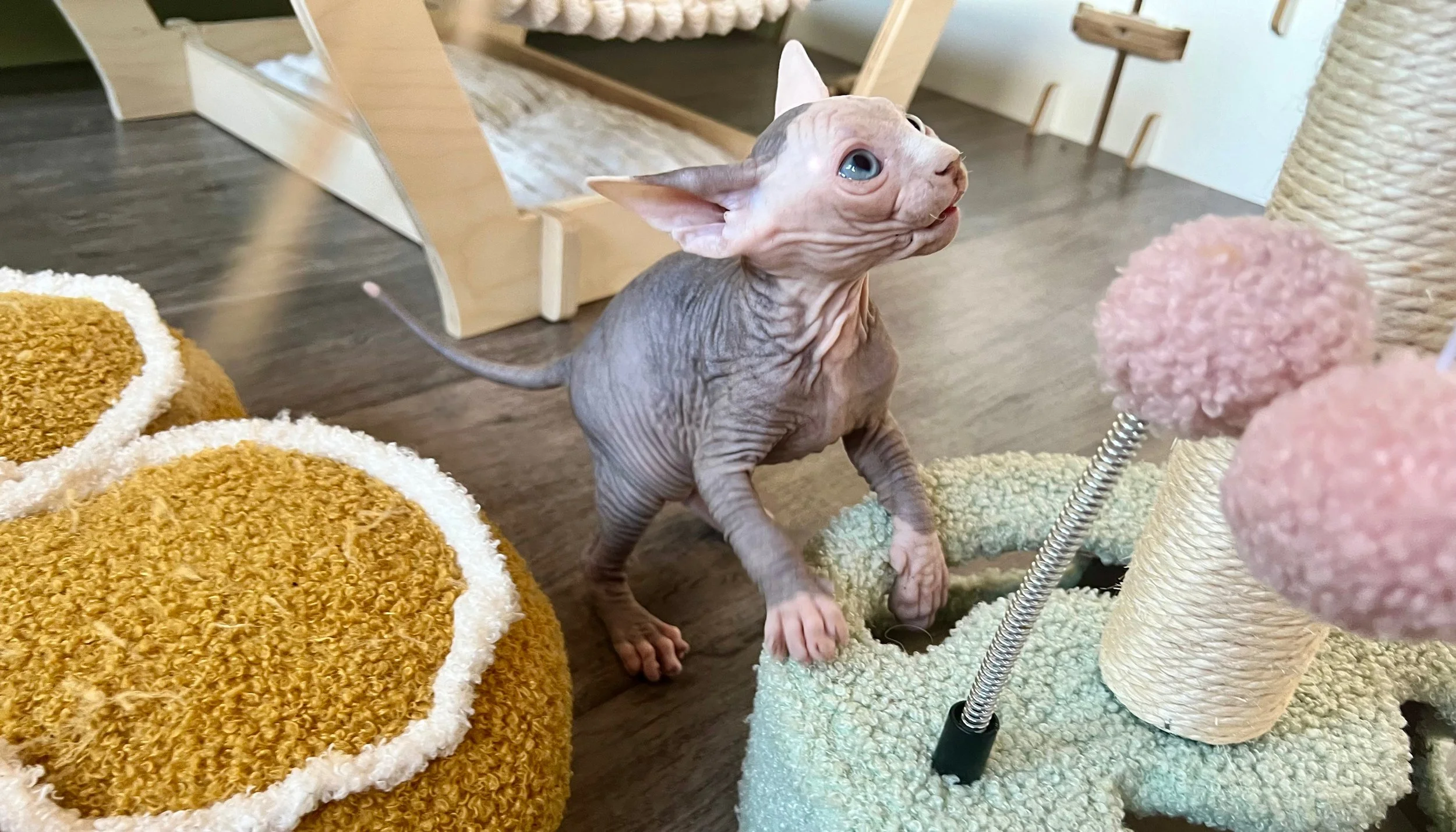
IconicSX Maverick showing a white tail tip
DBE-RE (Rociri Elvis)
DBE-RE, the "Rociri Elvis" variant, was identified in a Maine Coon line founded by a cat named Elvis, where it behaves as a latent variant that can be carried without visible blue eyes and may appear to skip generations.³ ⁴
DBE-RE is a PAX3 nonsense variant (PAX3:c.937C>T) associated with an increased risk of congenital sensorineural hearing loss. Deafness was identified in heterozygous DBE-RE cats in the original study; however, subsequent BAER testing has also identified heterozygous DBE-RE cats with normal bilateral hearing, indicating that hearing loss is not fully penetrant.
The pigmentary and auditory phenotype shows similarities to PAX3-associated Waardenburg syndrome in humans, particularly type 1. WS type 3 additionally involves musculoskeletal abnormalities, which have not been described as a typical feature of living heterozygous DBE-RE cats. Comparable PAX3-related pigmentary phenotypes are also recognised in other mammals, including horses and mice.³
In the published literature, DBE-RE is restricted to this Dutch Maine Coon lineage. Because the variant can be carried latently, testing is offered across many breeds that may have been outcrossed to affected lines — but the variant itself has so far been documented only in the Rociri Elvis line.³ ⁴
No homozygous DBE-RE cats have been reported to date. Based on the essential developmental role of PAX3 and comparative data from other species, the original authors proposed that homozygosity for DBE-RE would most likely result in embryonic or foetal lethality. This remains a biological prediction rather than an outcome directly demonstrated in a genetically confirmed homozygous cat.
BAER testing is required to determine hearing status, and DNA testing identifies whether a DBE cat carries this deafness-associated variant.³
DBE-AGO (Agostino)
The fourth characterised PAX3 variant was identified in a Maine Coon line known to breeders as the Agostino line.⁴
DBE-AGO is a single-base deletion (PAX3:c.160del) in exon 2 of PAX3, causing a frameshift and predicted to produce a truncated PAX3 protein lacking approximately 78% of the normal amino-acid sequence. All genetically characterised DBE-AGO cats in the published study were heterozygous, and the variant was absent from non-DBE relatives and from more than 300 control cat genomes.
No deafness was reported by breeders in the DBE-AGO cats studied; however, BAER testing was not performed. Hearing outcomes therefore remain insufficiently characterised for this recently identified variant, and further data are needed before its auditory risk can be reliably assessed.⁴
The same study also identified latent, non-expressing carriers in the DBE-RE (Rociri Elvis) line, confirming that a DBE variant can be present genetically even when it is not visibly expressed.⁴
References:
References
Abitbol M, Couronné A, Dufaure de Citres C, Gache V. A PAX3 insertion in the Celestial breed and certain feline breeding lines with dominant blue eyes. Animal Genetics. 2024;55(4):670–675. doi:10.1111/age.13433
Abitbol M, Dufaure de Citres C, Rudd Garces G, Lühken G, Lyons LA, Gache V. Different Founding Effects Underlie Dominant Blue Eyes (DBE) in the Domestic Cat. Animals. 2024;14(13):1845. doi:10.3390/ani14131845
Rudd Garces G, Farke D, Schmidt MJ, Letko A, Schirl K, Abitbol M, Leeb T, Lyons LA, Lühken G. PAX3 haploinsufficiency in Maine Coon cats with dominant blue eyes and hearing loss resembling the human Waardenburg syndrome. G3 Genes|Genomes|Genetics. 2024;14(9):jkae131. doi:10.1093/g3journal/jkae131
Abitbol M, Cloquell A, Kaczmarska A, Holmes K, Lühken G, Macaulay K. Dominant blue eyes in Maine Coon cats: New PAX3 variant and updated phenotypic data. Animal Genetics. 2025;56(3):e70020. doi:10.1111/age.70020
Current Research and Developments.
Recent studies have identified specific variants in the PAX3 gene associated with the Dominant Blue Eyes (DBE) trait in cats. These findings have advanced the understanding of the genetic mechanisms underlying blue eyes in cats and carry direct implications for breeding strategy.¹ ² ³ ⁴
To date, four PAX3-associated DBE variants have been characterised — DBE-CEL, DBE-ALT, DBE-RE and DBE-AGO — and additional DBE lineages remain genetically unresolved.¹ ² ³ ⁴
Breeding implications
Different DBE variants should not be combined without careful consideration of the specific genotypes involved. A mating between carriers of two different DBE variants can produce compound-heterozygous offspring. Deafness has been documented in DBE-CEL/DBE-ALT compound heterozygotes, demonstrating that combining variants can produce health outcomes not seen in cats carrying either variant alone in heterozygous form.
For other combinations of DBE variants, health outcomes remain insufficiently studied or unknown. For this reason, IconicSX follows a precautionary approach and does not combine different DBE variants within its breeding programme.² ⁴
Same-variant pairings require caution and should be considered separately for each DBE variant.
For DBE-RE, the original authors advised against mating two heterozygous cats because homozygosity is predicted to carry a high risk of embryonic or foetal lethality. They also advised against mating a DBE-RE carrier to a wild-type cat because of the documented association between this variant and congenital sensorineural hearing loss. Subsequent research identified additional heterozygous DBE-RE cats with normal bilateral BAER results, showing that hearing loss is not fully penetrant; however, the prevalence of deafness associated with this variant remains incompletely defined.
For DBE-CEL and DBE-ALT, mating two carriers of the same variant can produce homozygous offspring, for which health outcomes remain insufficiently characterised. The limited published data support a precautionary approach to same-variant carrier matings.
Only one genetically confirmed homozygous DBE-CEL kitten has been reported; it was white, had congenital abnormalities including cleft palate, and died shortly after birth. As this represents a single documented case, it does not establish the full range of possible outcomes for homozygous DBE-CEL cats, but it supports a precautionary approach to DBE-CEL × DBE-CEL matings.
Homozygous DBE-ALT cats have been reported alive, but only in very small numbers; some were white or nearly white, and deafness has been reported in at least one individual. The available evidence is therefore too limited to regard same-variant DBE matings as low-risk. Same-variant pairings should therefore be approached with caution and informed by the specific variant involved.² ³
Because these risks differ by variant and genotype, breeding decisions should be based on individual genetic testing rather than on eye colour, pedigree or line reputation.
References
Abitbol M, Couronné A, Dufaure de Citres C, Gache V. A PAX3 insertion in the Celestial breed and certain feline breeding lines with dominant blue eyes. Animal Genetics. 2024;55(4):670–675. doi:10.1111/age.13433
Abitbol M, Dufaure de Citres C, Rudd Garces G, Lühken G, Lyons LA, Gache V. Different Founding Effects Underlie Dominant Blue Eyes (DBE) in the Domestic Cat. Animals. 2024;14(13):1845. doi:10.3390/ani14131845
Rudd Garces G, Farke D, Schmidt MJ, Letko A, Schirl K, Abitbol M, Leeb T, Lyons LA, Lühken G. PAX3 haploinsufficiency in Maine Coon cats with dominant blue eyes and hearing loss resembling the human Waardenburg syndrome. G3 Genes|Genomes|Genetics. 2024;14(9):jkae131. doi:10.1093/g3journal/jkae131
Abitbol M, Cloquell A, Kaczmarska A, Holmes K, Lühken G, Macaulay K. Dominant blue eyes in Maine Coon cats: New PAX3 variant and updated phenotypic data. Animal Genetics. 2025;56(3):e70020. doi:10.1111/age.70020
Special Thanks
We are deeply grateful to Professor Marie Abitbol for her groundbreaking research on DBE genes and for inviting us to join her research project, which has advanced our understanding of these fascinating traits.
Our heartfelt thanks also go to Sarah Hartwell for her incredible dedication to classifying, describing and organising genealogical data for DNA studies, and for documenting the development of our DBE-CEL Sphynx line within the MessyBeast archive, including photographs, pedigrees and genealogical information.*
We would also like to extend our sincere thanks to Petgeno laboratory for providing us with the opportunity to be among the first catteries in the world to independently verify the DBE-Celestial status of our cats through their genetic testing platform. Their work has given us the confidence and scientific confirmation that underpins everything we do.
*At our request, identifying cattery details were later removed from the public version of the MessyBeast archive for privacy. The line and its pedigree structure remain documented there in anonymised form as originating from a UK breeder.