Adopt Only from Breeders Who Neuter First: Promoting Ethical Cats Breeding Practices.
Responsible breeding starts with one principle: the kitten’s health comes before convenience.
A key part of that is neutering before the kitten leaves for its new home. Not after. Not “when you get around to it.” Before.
Here’s why.
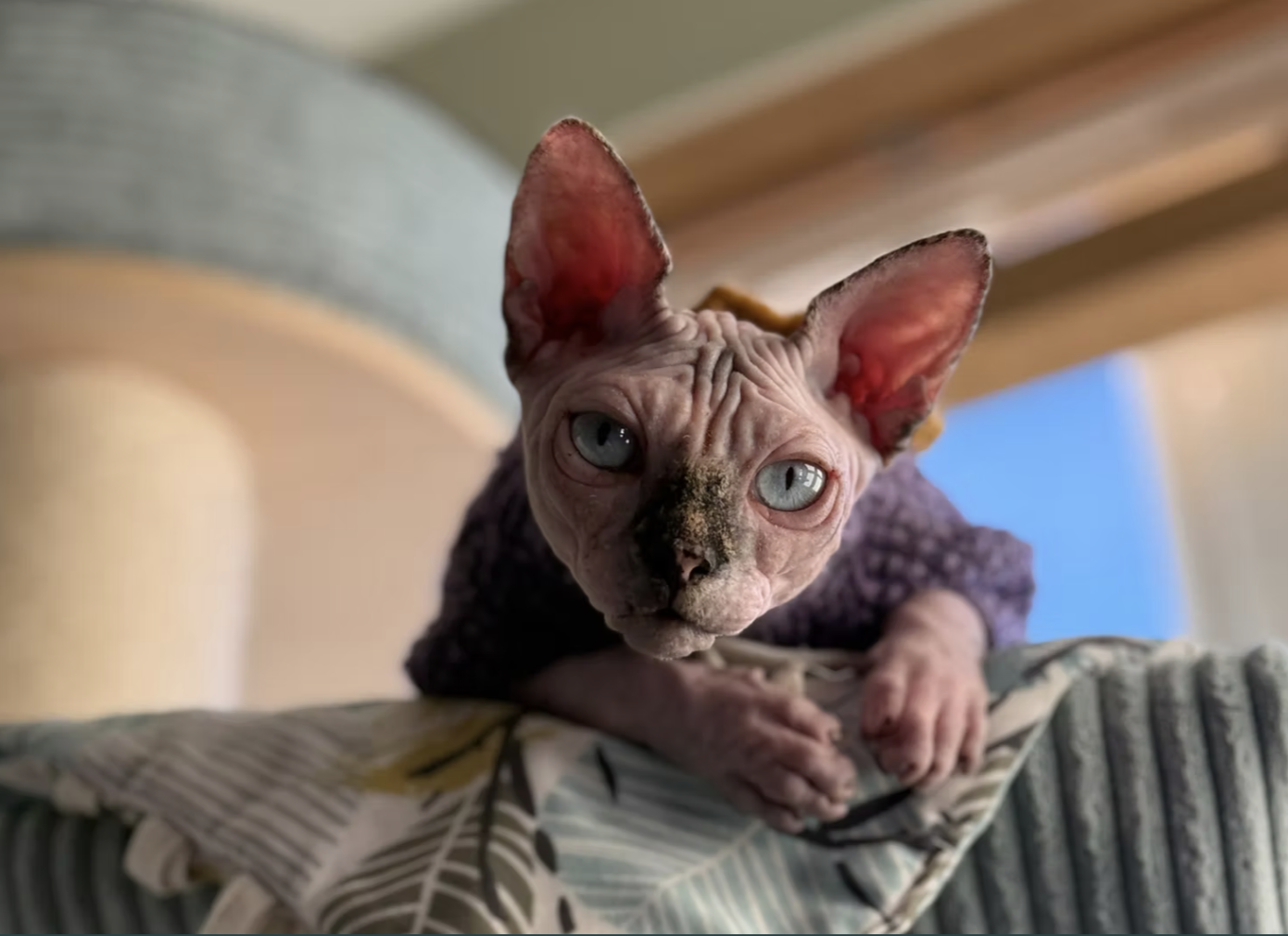
A kitten’s immune system develops in familiar surroundings — with its mother, its siblings, the bacteria it already knows. Moving to a new home is already a significant biological event. New environment means new microbial exposure, new stress triggers, a period where the immune system is working harder than usual just to adapt.
Now add surgery on top of that. A kitten that still needs neutering after joining a new household faces anaesthesia, post-operative recovery, and immune suppression — all while adjusting to an unfamiliar place. That combination increases the risk of infection, slows healing, and can set back the bonding process between kitten and owner.
When a breeder takes care of neutering before the kitten leaves, that risk disappears. The kitten recovers in the environment it knows, surrounded by its mother and littermates. By the time it arrives at its new home, it’s already healed. The new owner doesn’t need to organise surgery, manage recovery, or worry about timing. They can focus on what matters — building a relationship with their kitten from day one.
But there is another reason, and it’s one the industry doesn’t talk about enough.
Breeders who sell kittens intact — unneutered — open the door to uncontrolled breeding. It doesn’t matter what the contract says. Once a kitten leaves without being neutered, the breeder has no control over what happens next. That kitten can be bred by anyone, with no health testing, no genetic knowledge, and no accountability.
This is how backyard breeding works. Not through catteries or registries — but through kittens sold intact to people who see an opportunity. No screening. No health panels. No understanding of what they’re producing. Kittens born in those conditions are often sold too young, sometimes at eight weeks or even earlier, before they’re immunologically or developmentally ready to leave their mother. The mother is bred again on her next cycle, with no recovery time, no health checks, and no limit.
The conditions in these setups are predictable: too many cats in too little space, chronic stress, disease cycling through the group, behavioural problems that become permanent. The cats suffer. The kittens suffer. And the cycle continues because there’s money in it.
The simplest way to prevent this is to neuter before rehoming. It’s not complicated. It’s not controversial. It’s a decision that protects the kitten, protects the breed, and removes the single biggest enabler of irresponsible breeding.
If a breeder won’t neuter before the kitten leaves — ask why. The answer will tell you everything you need to know.
Choosing a breeder who neuters before rehoming isn’t just a preference. It’s the most basic test of whether that breeder is putting the animal first.